High-Performance Roof Ventilation Starts at the Eaves and Fascia
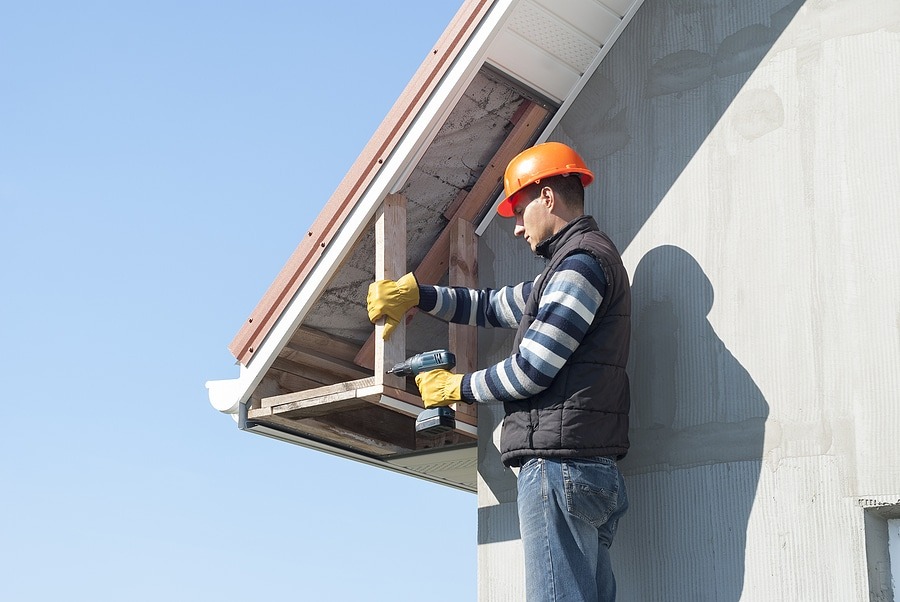
Eave and fascia vents improve roof performance by introducing fresh air at the building’s edge, where heat and moisture first build up. This approach creates cooler, drier, and more durable roof spaces, either as a standalone solution or alongside roof vents. Alpine Ventilation’s Australian-designed eave and fascia products combine performance, compliance, and subtle design for modern Australian homes.
Why ventilate at the eaves and fascia?
Low-level ventilation allows fresh air to flow through the entire roof cavity, reducing summer heat and limiting winter condensation that can cause mould and dampness. Positioned under the roof overhang, eave and fascia vents are also better protected from wind-driven rain than roof penetrations, lowering long-term leak risks. When paired with ridge or roof vents, they create a continuous airflow path from intake to exhaust.
Advantages over roof-only ventilation
Roof-only vents rely on penetrations through the roof membrane, which can be vulnerable to weathering and flashing failure. Eave and fascia vents are easier to integrate into soffits and cladding, offering a more watertight solution. They also provide consistent intake air, improving condensation control and preventing uneven airflow within the roof space.
Compliance, condensation and bushfire performance
Alpine eave and fascia vents support NCC 2022 requirements for ventilation and exhaust discharge (Clauses 10.8.2 and 10.8.3) by providing compliant airflow and exhaust pathways. Selected metal options are tested to BAL 40 under AS3959, helping meet bushfire construction standards while maintaining effective ventilation.
Key features of Alpine eave and fascia vents
- Generous free air area to improve airflow and reduce heat and moisture
- Fine perforations that act as built-in pest and insect protection
- Durable powder-coated metal options suitable for harsh environments
- Snap-in plastic and aluminium vents with UV stability and easy maintenance
- Purpose-designed ducted fascia vent kits for rangehoods and exhaust fans
- Best practice: combine intake and exhaust
For optimal results, eave or fascia vents should be used as intake points alongside ridge or roof vents for exhaust. This balanced system improves thermal comfort, protects roof materials, and reduces condensation risks.
Alpine Ventilation products are available through major resellers including Bowens, Dahlsens, Bunnings, and, Accord Air, Visit the stocks page to find your nearest supplier.
Disclaimer
The information provided in this article is for general informational and educational purposes only. While Alpine Ventilation products are designed to comply with relevant Australian standards and building codes, including NCC 2022 and AS3959 for bushfire performance, the article does not constitute professional advice. Individual building requirements, local regulations, and specific installation conditions may vary. Readers should consult a licensed builder, architect, or relevant professional before purchasing or installing ventilation products. Alpine Ventilation and the article author are not responsible for any damages, losses, or issues resulting from the use of the information or products discussed.