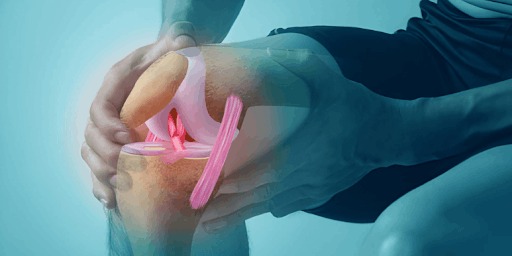
Why Thigh Support is Important for Daily Joint Stability
Your thighs do a quiet, tireless job. Every step to the kettle, every climb up the stairs, every sudden turn when the phone rings relies on the strength and stability of the muscles wrapping around your upper legs. When they are supported, your knees and hips breathe easier. When they are not, the strain shows up sooner than you expect. Many people only think about Thigh Support after a niggle becomes a problem. Yet daily joint stability is something worth protecting long before pain sets in.
The thigh’s role in joint stability
The thigh muscles act like strong guide ropes for your knees and hips. They keep movement controlled and balanced. When those muscles fatigue or feel unstable, the joints below and above them take the hit. You might notice it as a wobble when standing up from a chair or a dull ache after a long walk. Over time, even small instabilities can change how you move. That is often when injuries creep in, quietly and persistently. Thigh support provides gentle compression that helps muscles stay engaged. It does not replace strength, but it reminds your body where support should come from.
Everyday situations where thigh support matters
This is not just for athletes or gym lovers. Daily life offers plenty of moments that test joint stability.
Long hours on your feet
Retail workers, tradies, nurses and parents chasing toddlers all place repeated stress on their thighs. Support can reduce muscle fatigue, making the end of the day feel less punishing.
Sitting too long
It sounds harmless, yet long periods of sitting can leave thigh muscles sluggish. When you finally stand, joints may feel stiff or unsteady. Light compression helps keep blood flow active and muscles alert.
Recovery after injury
After a strain or surgery, the body often compensates without you realising. Thigh support helps limit excessive movement while confidence and strength return.
How thigh support helps protect your knees and hips
Knee pain rarely starts in the knee alone. Often, weak or unstable thighs shift pressure downward. The same applies to hips, which rely on thigh strength for alignment.
By wearing supportive gear, you create a sense of structure around the muscle. Many users describe it as feeling held together, especially during repetitive movement. That feeling often encourages better posture and smoother motion.
Products such as Protective Thigh Support are designed to assist without restricting. The aim is comfort you forget you are wearing, not bulk that gets in the way.
Emotional confidence matters too
There is a mental side to joint stability that people rarely talk about. When your leg feels unstable, you hesitate. That hesitation changes how you walk, how fast you move, and how much you trust your body.
Support can restore that trust. Whether it is returning to gentle exercise or simply walking to the shops without fear, confidence plays a huge role in recovery and wellbeing.
A customer once shared how they avoided bush walks after a thigh strain. With proper support, they were back on familiar tracks within weeks, moving carefully but without anxiety. That sense of normal life returning is powerful.
Choosing the right thigh support for daily use
Not all supports are equal. For everyday stability, look for breathable materials and a snug fit that does not dig into the skin. It should move with you and stay in place during daily tasks.
Think about when you need it most. Some people wear thigh support during work hours. Others use it during exercise or recovery periods. There is no one size fits all approach.
If discomfort is persistent or worsening, professional advice is always wise. Support works best as part of a broader care plan, not as a quick fix.
Small support, big difference
Joint health is rarely about dramatic changes. It is the small, consistent choices that keep you moving comfortably. Thigh support may seem minor, yet it often becomes the missing piece that helps everything else work better.
When your thighs feel supported, your knees track more smoothly, your hips stay aligned, and movement feels natural again. That is what daily joint stability should feel like.
If you are ready to give your legs the care they deserve, explore the range at Bodyassist and see how the right support can fit seamlessly into your day.
FAQs
1. Why would I need thigh support if I am not injured?
Ans. Thigh support helps maintain muscle engagement and stability, which can prevent strain and reduce fatigue during daily activities.
2. Can thigh support help with knee pain?
Ans. Yes. By supporting the thigh muscles, pressure on the knee joint is often reduced, improving alignment and comfort.
3. Is thigh support comfortable to wear all day?
Ans. Quality supports are designed for extended wear, using breathable fabrics and flexible compression.
4. Should I wear thigh support during exercise only?
Ans. It depends on your needs. Some people benefit from wearing it during work or daily movement, while others use it mainly for physical activity.
5. Where can I find reliable thigh support products in Australia?
Ans. Bodyassist offers a range of supportive solutions focused on comfort, recovery, and long term joint health.
Disclaimer
The information provided in this article is intended for general educational and informational purposes only and does not constitute medical advice. It is not a substitute for professional diagnosis, treatment, or guidance from a qualified healthcare practitioner. Always consult a doctor, physiotherapist, or other licensed health professional before using any supportive device, beginning a new exercise program, or making changes to your health routine. Individual results may vary. References to specific products or brands are for informational purposes and do not replace professional medical recommendations.